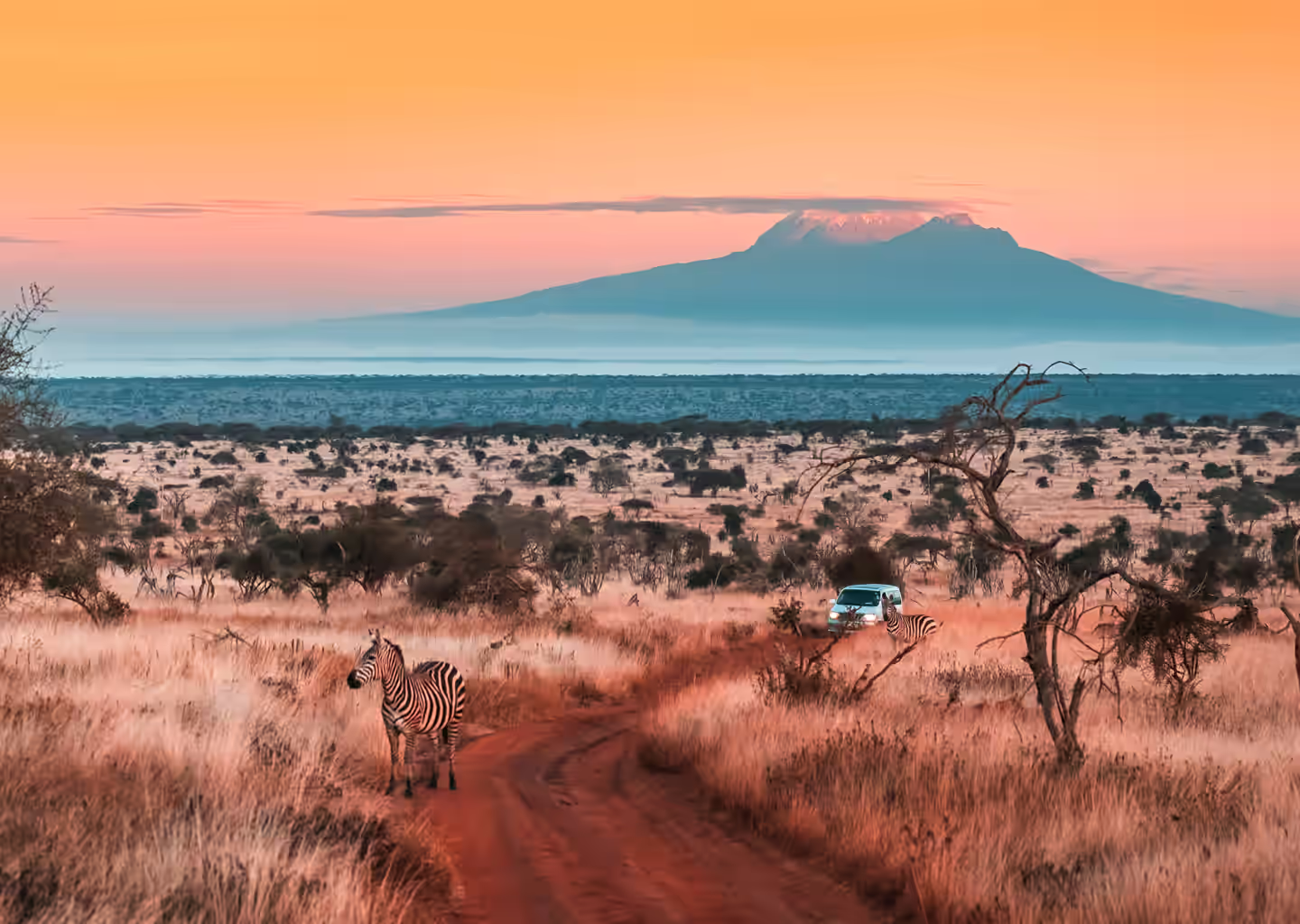
Journey through the most breathtaking landscapes in Tanzania and Zanzibar.
Ascend to the Roof of Africa with an unparalleled luxury expedition to Mount Kilimanjaro, Tanzania. Experience breathtaking landscapes, diverse ecosystems, and the profound satisfaction of conquering the world's highest free-standing mountain, all while enjoying premium services and expert guidance tailored for the discerning adventurer.
Nairobi, the capital city of Kenya, is a dynamic metropolis and a gateway to some of Africa's most iconic safari destinations. Uniquely, it boasts a national park within its city limits, offering incredible wildlife viewing opportunities against a backdrop of skyscrapers. Beyond its urban wildlife, Nairobi is a hub of culture, history, and commerce, featuring museums, vibrant markets, and diverse culinary experiences. It serves as an excellent starting point for any Kenyan adventure, combining urban exploration with immediate access to nature.
Discover Mikumi National Park, a breathtaking wilderness in Tanzania offering accessible wildlife viewing and stunning landscapes. Known for its abundant large mammal populations and diverse birdlife, Mikumi provides an authentic African safari experience perfect for both first-time visitors and seasoned adventurers seeking natural beauty and thrilling encounters.
Lewa Wildlife Conservancy is a pioneering private conservation area on the Laikipia Plateau, covering 62,000 acres at the base of Mount Kenya. It is internationally recognised as a model for community-based conservation and is a UNESCO World Heritage Site as part of the Mount Kenya Ecosystem. Lewa is home to significant populations of black and white rhino, elephant, Grevy's zebra — the world's most endangered zebra — lion, leopard, wild dog, and cheetah. Guests enjoy exclusive game drives, walking safaris, horse riding, and night drives. The conservancy supports surrounding communities through education, healthcare, and livelihoods. Best visited during the dry seasons of June–October and January–February.
Immerse yourself in the enchanting allure of Zanzibar, Tanzania's spice island gem. A tapestry of pristine white-sand beaches, crystal-clear turquoise waters, and a rich historical legacy awaits. Discover the vibrant culture, aromatic spice plantations, and the UNESCO-listed Stone Town, promising an unforgettable luxury escape.
Lake Nakuru National Park in Kenya's Rift Valley is one of Africa's most famous bird and wildlife sanctuaries, centred on the shallow soda lake that once hosted millions of flamingos. Today the lake attracts significant wildlife including both black and white rhino, making it one of Kenya's premier rhino sanctuaries. Lion, leopard, buffalo, Rothschild's giraffe, waterbuck, and a huge variety of waterfowl and wading birds are commonly seen. The park is fully fenced, providing excellent security for its resident wildlife. Baboon Cliff and Lion Hill offer sweeping panoramic views over the lake and surrounding forest. Easily accessible from Nairobi in under 3 hours. Best visited year-round.
Nairobi National Park holds the extraordinary distinction of being the world's only national park within a capital city. Located just 7 kilometres from Nairobi's city centre, this 117 square kilometre park is home to lion, leopard, cheetah, black rhino, buffalo, hippo, giraffe, zebra, and over 400 bird species against a backdrop of the city's skyline. The Nairobi Animal Orphanage and Safari Walk are popular adjoining attractions. Despite its small size relative to other parks, it offers genuinely wild safari experiences accessible year-round. The park is vital as a wildlife corridor and conservation refuge. A perfect half-day or full-day excursion for transit passengers or those short on time. Best visited year-round.
Discover the majestic Tarangire National Park, a land of giant baobab trees and colossal elephant herds. Renowned for its unparalleled concentration of wildlife during the dry season, Tarangire offers an authentic and exclusive safari experience, far from the madding crowd, perfect for the discerning luxury traveler.
Tsavo East National Park is one of the largest national parks in the world, covering over 13,700 square kilometres of semi-arid savannah, lava plains, and riverine forest in southeastern Kenya. It is home to enormous herds of red-dust-covered elephants — among the largest concentrations in Kenya — alongside lion, leopard, cheetah, buffalo, hippo, crocodile, lesser kudu, gerenuk, and over 500 bird species. The Galana River is the park's lifeline, and Lugard Falls and the Yatta Plateau — the world's longest lava flow — are iconic attractions. Tsavo East's vast open spaces give it a wild, frontier atmosphere unlike more congested parks. Best visited June through October.
Tanzania's largest national park, Ruaha is a wild and rugged wilderness celebrated for its exceptional lion and elephant populations. The Great Ruaha River is the lifeblood of the park, drawing extraordinary concentrations of wildlife during the dry season. Giant baobab trees dot the dramatic rocky landscape, lending Ruaha a distinctive character unlike any other Tanzanian park. Wild dogs, cheetahs, and leopards are regularly sighted, while over 570 bird species reward birdwatchers. With far fewer visitors than the Northern Circuit, Ruaha offers an exclusive, authentic safari experience in one of Africa's greatest remaining wild spaces.
Amboseli National Park is one of Kenya's most celebrated wildlife destinations, renowned for its iconic views of Mount Kilimanjaro — Africa's highest peak — providing a dramatic backdrop to vast herds of elephants. Located in southern Kenya near the Tanzanian border, Amboseli covers approximately 392 square kilometres of open plains, swamps, and acacia woodland. The park is home to large populations of elephant, buffalo, wildebeest, zebra, giraffe, lion, cheetah, and over 600 bird species. The Observation Hill offers panoramic views across the ecosystem. Amboseli is particularly celebrated for its elephant research and conservation heritage. Best visited during the dry seasons of June–October and January–February.
Famous for the Great Migration.
The Ngorongoro Conservation Area, a UNESCO World Heritage Site, is a vast protected area in northern Tanzania. It is most famous for the Ngorongoro Crater, the world's largest inactive, intact, and unfilled volcanic caldera, and home to an astonishing concentration of wildlife.
Kibale National Park is widely recognized as the primate capital of East Africa, offering exceptional chimpanzee trekking experiences within a lush tropical rainforest ecosystem.
is a pristine tropical island known for its untouched beaches, rich marine biodiversity, and world-class diving. Located in the Indian Ocean, it offers a quieter, eco-friendly alternative to Zanzibar, with exceptional coral reefs, whale sharks, and authentic Swahili culture.
A diverse ecosystem renowned for its tree-climbing lions, large flamingo flocks, and breathtaking rift valley scenery, offering a compact yet incredibly rich safari experience.
Known as the 'Safari Capital' of Tanzania, Arusha is a vibrant city nestled at the base of Mount Meru, offering a picturesque gateway to some of Africa's most iconic national parks and wildlife reserves. It serves as a vital hub for tourism, agriculture, and diplomacy, boasting a pleasant climate and a rich cultural tapestry.
The Masai Mara National Reserve is Kenya's most iconic wildlife destination and one of the greatest game-viewing areas on earth. Covering approximately 1,510 square kilometres of open savannah, riverine forest, and rolling grassland in the Great Rift Valley, it forms the northern extension of Tanzania's Serengeti ecosystem. The Mara is most famous for the Great Migration — one of the world's greatest natural spectacles — when over two million wildebeest, zebra, and gazelle cross the Mara River between July and October. Year-round residents include the Big Five, cheetah, wild dog, hippo, crocodile, and over 560 bird species. Numerous world-class camps surround the reserve. Best visited July through October.
Bwindi Impenetrable National Park is one of Africa’s most biologically diverse rainforests and a UNESCO World Heritage Site renowned for its mountain gorilla population. The park offers one of the world’s most extraordinary wildlife experiences through guided gorilla trekking in dense tropical forest habitats.
Samburu National Reserve is a legendary wildlife destination in the semi-arid north of Kenya, renowned for the exclusive 'Samburu Special Five' — reticulated giraffe, Grevy's zebra, Beisa oryx, Somali ostrich, and gerenuk — species found here but rarely elsewhere in Kenya. Covering 165 square kilometres along the Ewaso Ng'iro River, the reserve's dramatic acacia-and-doum-palm landscape is striking and distinctive. Lion, leopard, cheetah, elephant, and large crocodile populations thrive here. The river is the lifeblood of the reserve, attracting huge concentrations of wildlife. Samburu is adjacent to Buffalo Springs and Shaba reserves, forming a superb combined circuit. Best visited June through October.